
Health
O’Connell confident Vikings will have offensive success vs. Bills with Wentz at QB
By Marcus Chen
Advertisement · Why this ad?
Marcus manages the day-to-day editorial workflow across all brands, coordinating coverage assignments and ensuring editorial standards are met. He previously served as city editor at the Pioneer Press and holds a degree in Political Science from Carleton College.
More from Marcus →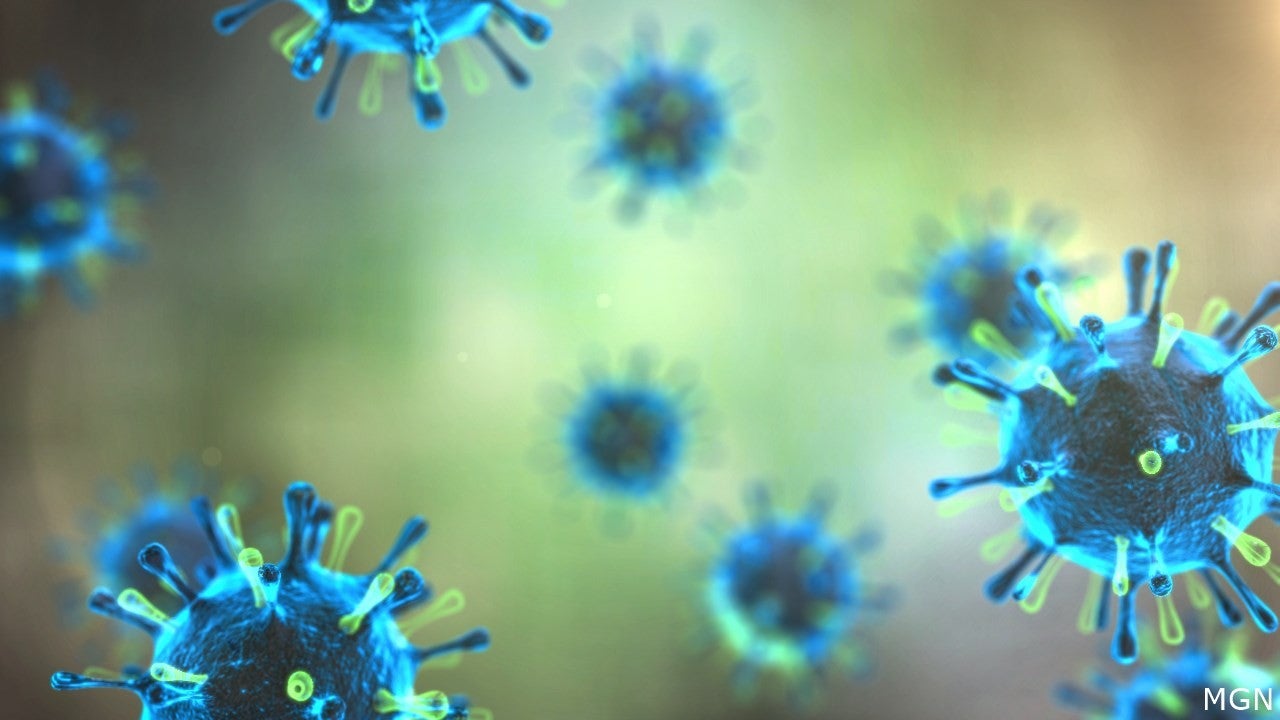
In a quiet corner of Wisconsin, a tragic event has shaken a community and reignited urgent conversations about vaccination, public health, and community responsibility. An infant in southwestern Wisconsin has died after contracting measles—the first such death in the state since 1990—raising alarm bells about the resurgence of a disease once considered eliminated in the United States. This heartbreaking loss underscores the critical importance of maintaining high vaccination rates and highlights ongoing challenges in public health efforts amid a backdrop of misinformation and complacency.
On Thursday, Wisconsin health officials confirmed the heartbreaking news: a baby in southwestern Wisconsin died from measles, marking the first fatality from the disease in the state in 36 years. The Wisconsin Department of Health Services (DHS) did not disclose the specific location of the child’s death to protect the family’s privacy, but confirmed that the cause of death was measles, a highly contagious viral disease preventable through vaccination.
The child's death is a stark reminder of how fragile herd immunity can become when vaccination rates decline. Despite the U.S. having effectively controlled measles through widespread immunization, recent years have seen vaccination coverage dip below the critical 95% threshold needed to prevent outbreaks. This decline has led to a resurgence of cases in communities previously considered free of the disease, exposing vulnerabilities in public health infrastructure and community trust.
As of this week, Wisconsin reported 431 cases of measles—almost all among unvaccinated individuals. Nine people have been hospitalized, illustrating the severity of outbreaks when herd immunity weakens. The Centers for Disease Control and Prevention (CDC) has confirmed four measles-related deaths nationwide this year, but state health departments suggest the true toll may be higher, with Pennsylvania investigating five or six deaths linked to the virus.
This resurgence echoes a broader national trend. The United States declared itself free of endemic measles in 2000, but recent outbreaks have been linked to pockets of unvaccinated populations. These outbreaks are often fueled by misinformation, religious exemptions, and vaccine hesitancy—factors that continue to threaten decades of progress in disease control.
The death of this infant has sent shockwaves through local communities, prompting urgent discussions among parents, educators, and health officials. Kirsten Johnson, Wisconsin’s health secretary, expressed her grief: “My heart is broken for the family. Any child’s death is a tragedy, especially when preventable by a vaccine.”
In small towns and rural areas, where healthcare access can be limited and vaccine skepticism more prevalent, the impact is particularly profound. Local clinics are now working overtime to offer catch-up vaccinations, and schools are reviewing their immunization policies to prevent further outbreaks. Conversations about vaccine safety and community protection are taking place in churches, town halls, and on social media platforms.
Measles was once a common childhood illness across the United States, with widespread vaccination efforts dramatically reducing its incidence by the late 20th century. The introduction of the measles vaccine in 1963 and subsequent immunization campaigns led to a dramatic decline in cases, making the disease a rarity in most communities. However, the recent spike in cases signals a concerning reversal of this progress.
Public health experts warn that the resurgence reflects broader issues—chiefly, vaccine hesitancy driven by misinformation, distrust in government health agencies, and cultural factors. In Wisconsin, communities like Milwaukee, Madison, and various rural counties have seen fluctuating vaccination rates, often influenced by local attitudes, access issues, and misinformation campaigns. These areas become hotspots for outbreaks, especially when unvaccinated individuals travel or gather in large groups, facilitating rapid disease spread.
Vaccine hesitancy remains a significant barrier to achieving herd immunity. Despite overwhelming scientific evidence supporting vaccine safety and efficacy, misinformation—often propagated through social media and anti-vaccine activism—has eroded public trust. Religious exemptions and philosophical objections further contribute to lower vaccination rates in some communities.
In Wisconsin, some towns and counties report vaccination rates below the 95% threshold, creating vulnerable pockets where measles can take hold and spread. These areas are especially at risk when unvaccinated individuals travel or participate in large gatherings, such as fairs, religious events, or school functions, facilitating outbreaks that can quickly spiral out of control.
The recent tragedy has deeply affected local residents, many of whom have expressed fears and hopes for change. In towns like Platteville and Dodgeville, community conversations about immunization are intensifying. Local health clinics are mobilizing to provide free or low-cost vaccines and educate families about the importance of immunizations in preventing diseases like measles.
School districts are reviewing and, in some cases, tightening their vaccination policies to ensure compliance with state requirements. Some are considering stricter enforcement of vaccine mandates for enrollment, aiming to close loopholes that allow unvaccinated children to attend school and potentially contribute to outbreaks.
The Wisconsin Department of Health Services has launched targeted outreach campaigns to combat misinformation and encourage vaccination. Mobile clinics are being dispatched to underserved and rural areas, where access barriers are often significant. Community leaders, faith-based organizations, and local influencers are partnering with health officials to promote vaccine awareness and dispel myths.
State officials emphasize that vaccination remains the most effective way to prevent future tragedies. They urge parents and guardians to consult healthcare providers, review immunization schedules, and ensure their children are protected against preventable diseases.
The tragic death underscores the urgent need for renewed focus on vaccination efforts. Wisconsin health officials plan to intensify public education campaigns, improve access to vaccines, and address cultural barriers that hinder immunization. They are also exploring legislative options to strengthen vaccine mandates, including stricter enforcement and closing exemption loopholes, to bolster community immunity.
For families affected directly or indirectly by this loss, there is a collective hope that this tragedy will serve as a catalyst for change. The community’s resilience will be tested as residents come together to prioritize children’s health and prevent similar tragedies in the future.
Local residents like Maria Lopez, a mother of three in Platteville, have shared their fears and hopes. “I got my kids vaccinated because I don’t want anyone to go through what that family is experiencing,” she said. Others are sharing personal stories on social media, emphasizing the importance of herd immunity and community responsibility in protecting vulnerable populations.
Healthcare professionals are also calling for compassion and understanding. Dr. Alan Peters, a pediatrician in Madison, stated, “This tragedy reminds us that no one is immune. Vaccination is a community effort, and we all have a role to play in keeping each other safe.”
Ultimately, this event challenges us all to reflect on our collective responsibility to protect the most vulnerable among us. Ensuring high vaccination rates is not just a personal choice but a community obligation—one that can save lives and prevent future tragedies.
By Marcus Chen
By Katherine Langford
By Marcus Chen

By Katherine Langford